LATEST: TV Schedules | NEWS | Local Programs | Summer Events
LATEST: TV Schedules | NEWS | Local Programs | Summer Events
Ready to Learn


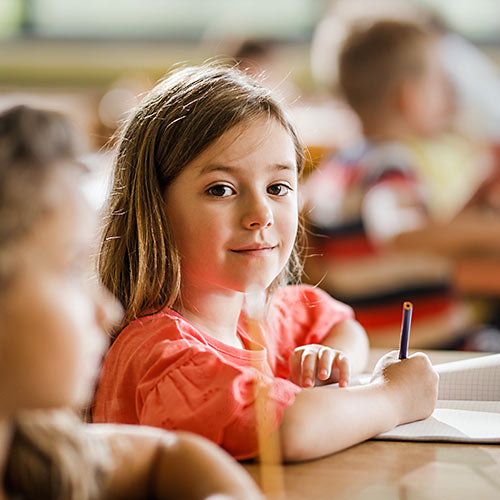
Through the Ready To Learn Initiative, WQPT and PBS stations across the nation are bringing personalized and adaptive learning content into communities, helping parents, caregivers and educators actively engage children in high-quality educational experiences.
The Corporation for Public Broadcasting (CPB) and PBS are working with early learning experts to create experiences that expose young children to career and workforce options and help them to build vital functional literacy, critical thinking, collaboration, and "world of work" skills and knowledge. This effort will also empower and equip parents, caregivers, and communities to support children's learning and growth in these areas to put children on a path to lifetime success.
We share deployed content through a variety of means including ScratchJr, Explore with Mr. Scott and other educational outreach activities.
More than half of America’s three- and four-year-olds do not attend preschool. For many of these children, PBS KIDS, with a 24/7 channel available to more than 95% of U.S. TV households, is a key source of educational media content. Over 15.5 million kids ages 2–11 have viewed PBS KIDS content funded by the Ready To Learn grant.
 Engaging parents and children (ages 5-8) in creative coding through the PBS KIDS ScratchJr app, these workshops and classroom visits support families as they explore, learn and play together in community-based settings. Learn more
 Two new series, one focused on informational text for kids ages 4-8 and one focused on science inquiry for kids ages 3–5, are currently in production. The Ready to Learn grant is also funding new science and literacy-based episodes and digital learning resources from Ready Jet Go! and The Cat in the Hat Knows a Lot About That!
 Launched on Android and iOS devices, this free, bilingual app
helps kids “think like scientists,” with 10+ games that spark real-world exploration by building
on children’s natural curiosity. The app features an extensive parents section that includes
at-home activities, which can be done offline.
Launched on Android and iOS devices, this free, bilingual app
helps kids “think like scientists,” with 10+ games that spark real-world exploration by building
on children’s natural curiosity. The app features an extensive parents section that includes
at-home activities, which can be done offline.
 This cross-platform video series has been streamed more than
7 million times and helps children ages 4–8 learn about science inquiry. The Ruff Ruffman
Playful Learning Experience brings together 20 videos, four online games, a mobile app
and a set of offline activities to support learning. The Ready To Learn Initiative has created
a Family & Community Learning workshop and Sensational Science Camp with Ruff Ruffman
to support further engagement with this content.
This cross-platform video series has been streamed more than
7 million times and helps children ages 4–8 learn about science inquiry. The Ruff Ruffman
Playful Learning Experience brings together 20 videos, four online games, a mobile app
and a set of offline activities to support learning. The Ready To Learn Initiative has created
a Family & Community Learning workshop and Sensational Science Camp with Ruff Ruffman
to support further engagement with this content.
PBS and the Corporation for Public Broadcasting support children’s development through cross-platform media content, designed in consultation with experts in personalized and adaptive learning approaches, with features that support children with diverse learning abilities. This content is connected through related curriculum goals, PBS KIDS characters and stories. This results in innovative Playful Learning Experiences, which are collections of games, videos and offline activities designed to support young learners as they explore and transfer science knowledge and thinking skills to the real world.
Through the Ready To Learn Initiative, PBS stations are bringing personalized and adaptive learning content into communities, helping parents, caregivers and educators actively engage children in high-quality educational experiences.
A public media service of
Member